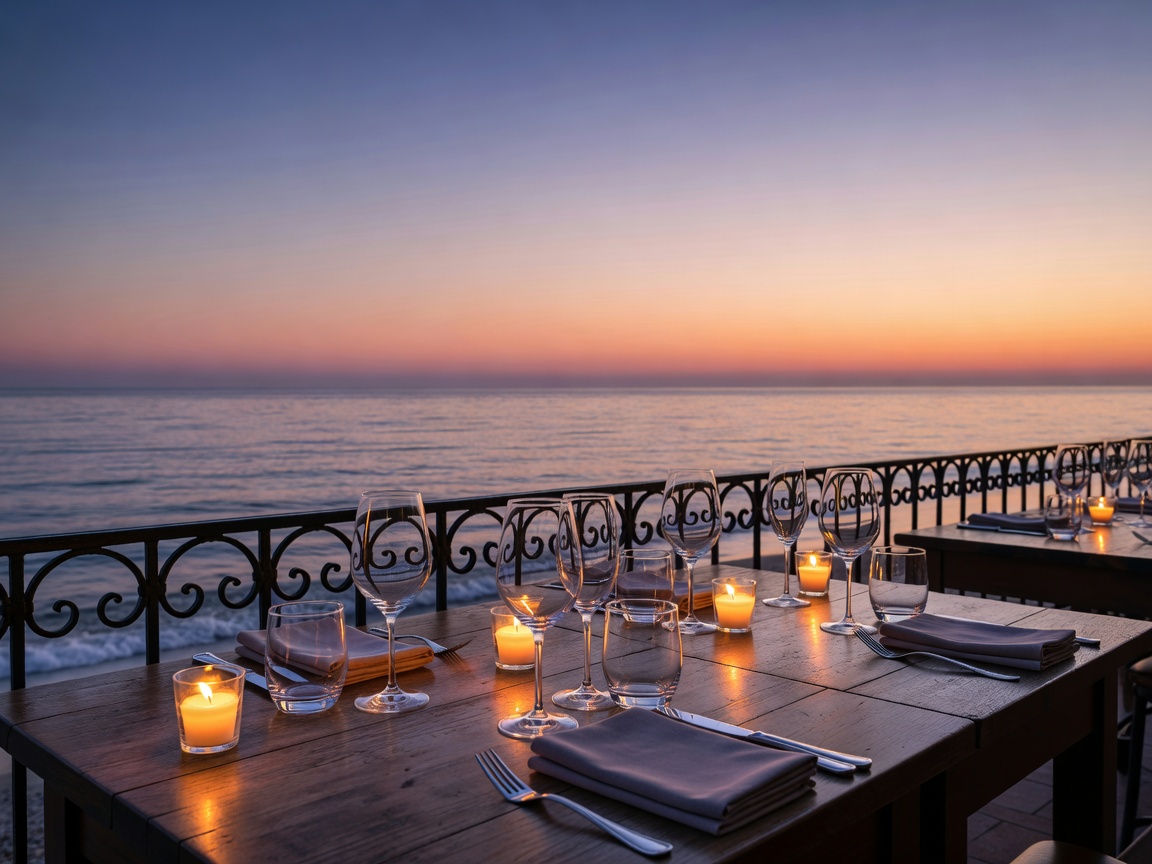
Athens invented the rooftop dinner out of necessity. The basin traps heat; apartment blocks were built with flat roofs and outdoor kitchens; and by the 1960s the whole city was eating upstairs in summer. What the luxury hotels added was the sightline — the deliberate arrangement of a dining room so that the Parthenon, floodlit after dusk, occupies the centre of your field of vision for three hours.
The terraces that matter
GB Roof Garden — Hotel Grande Bretagne
The benchmark. Seventh floor, Mediterranean cooking with Greek roots, and a wraparound outlook that takes in the Acropolis, Lycabettus Hill and the Parliament building. The kitchen is consistent across a long menu; the service is old-school and precise. Book four to six weeks ahead for a terrace table in summer and ask specifically for the front row on the Acropolis side — the second tier loses part of the view to the parapet. Read the full Grande Bretagne review.
Tudor Hall — King George
Smaller, more formal, arguably the better dining room. Neoclassical interior with Louis XVI furniture and a terrace that frames the rock directly. Modern Greek cooking — aged cheeses, day-boat fish, lamb with horta — and a Greek wine list with genuine depth. It is also where hotel guests take breakfast, which makes it the only place in Athens where you can look at the Parthenon over a soft-boiled egg. See the King George review.
The Dolli rooftop — Plaka
The closest approach. Because the hotel sits beneath the north slope, the Acropolis here is not a distant silhouette but a wall of lit limestone above you. Lunch is light and Aegean; dinner is more ambitious. Non-residents can book, though residents take priority on the front tables. Details in the Dolli review.
The coastal alternative
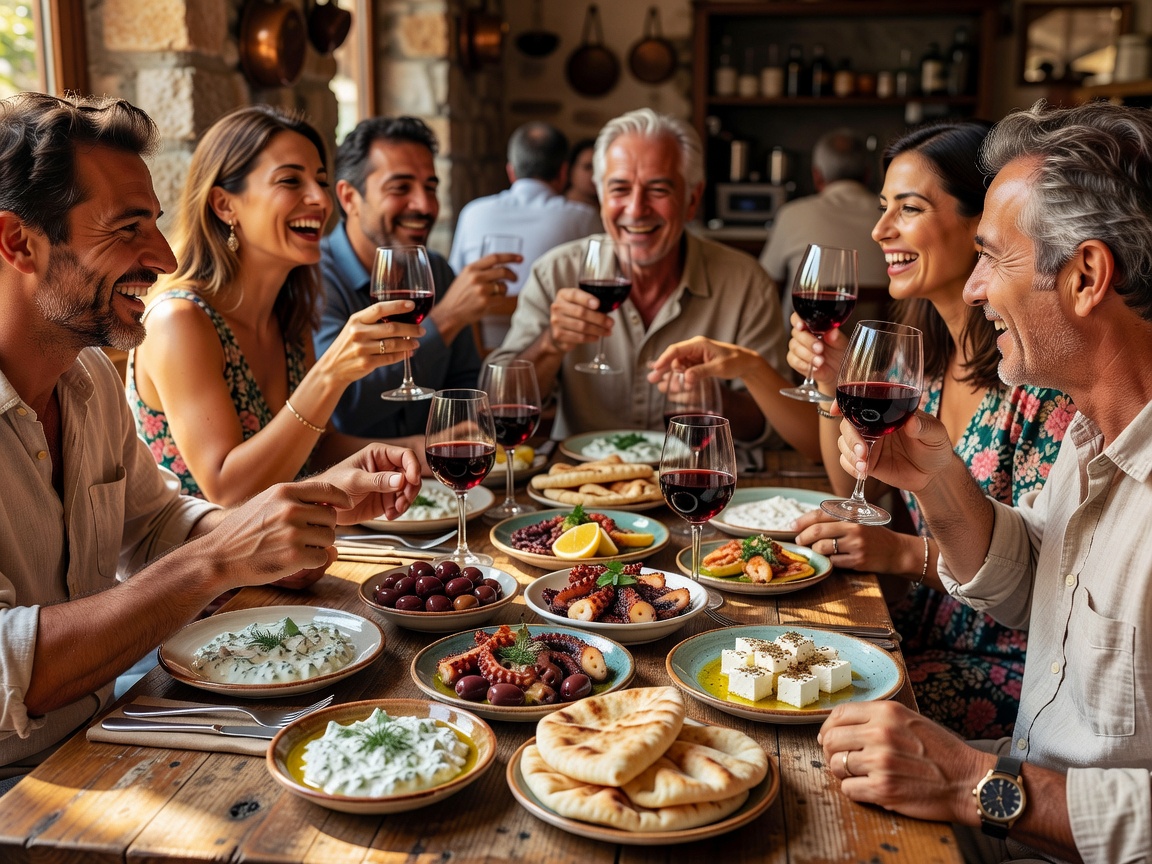
On the Riviera the equivalent is not height but waterline. The Greek taverna at Four Seasons Astir Palace sits a metre above the sea; at Divani Apollon Palace the seafront restaurant faces west into the sunset. Neither has a monument in the frame, and neither needs one.
"The floodlights go up at dusk and the whole terrace turns, mid-sentence, to look. It happens every single night and nobody is ever embarrassed about it."
Booking, timing and dress
| Question | Answer |
|---|---|
| How far ahead to book? | 4–6 weeks for terrace tables, May–October. 1–2 weeks off-season. |
| Best time to reserve for? | 20:30–21:00 — you catch the last light and the floodlights coming on. |
| Dress code | Smart casual is universally accepted; jackets are welcome but rarely required. No beachwear. |
| Typical cost | €75–€130 per person for three courses with a shared bottle. |
| Children | Welcome at all of these terraces; earlier sittings are easier. |
| Weather | Terraces close in strong meltemi wind; hotels move service indoors without notice. |
What to drink
Greek wine has changed beyond recognition in twenty years, and hotel lists now reflect it. Four bottles to look for:
- Assyrtiko (Santorini). Volcanic, saline, high-acid white. The default pairing for grilled fish and the single greatest Greek white grape.
- Malagousia (Macedonia/Epirus). Aromatic, peach and basil, softer than Assyrtiko. Excellent with vegetable-forward mezze.
- Xinomavro (Naoussa). The northern red — tannic, tomato-leaf, ages like Nebbiolo. Order with lamb.
- Agiorgitiko (Nemea). Rounder and plusher than Xinomavro, the crowd-pleasing Peloponnesian red.
For an aperitif, ask for a Greek gin with mastiha, or the increasingly common tsipouro service with ice and a slice of cucumber. Retsina has quietly improved too — a good modern one is a genuine pleasure with fried small fish, whatever your memory of 1990s tavernas suggests.