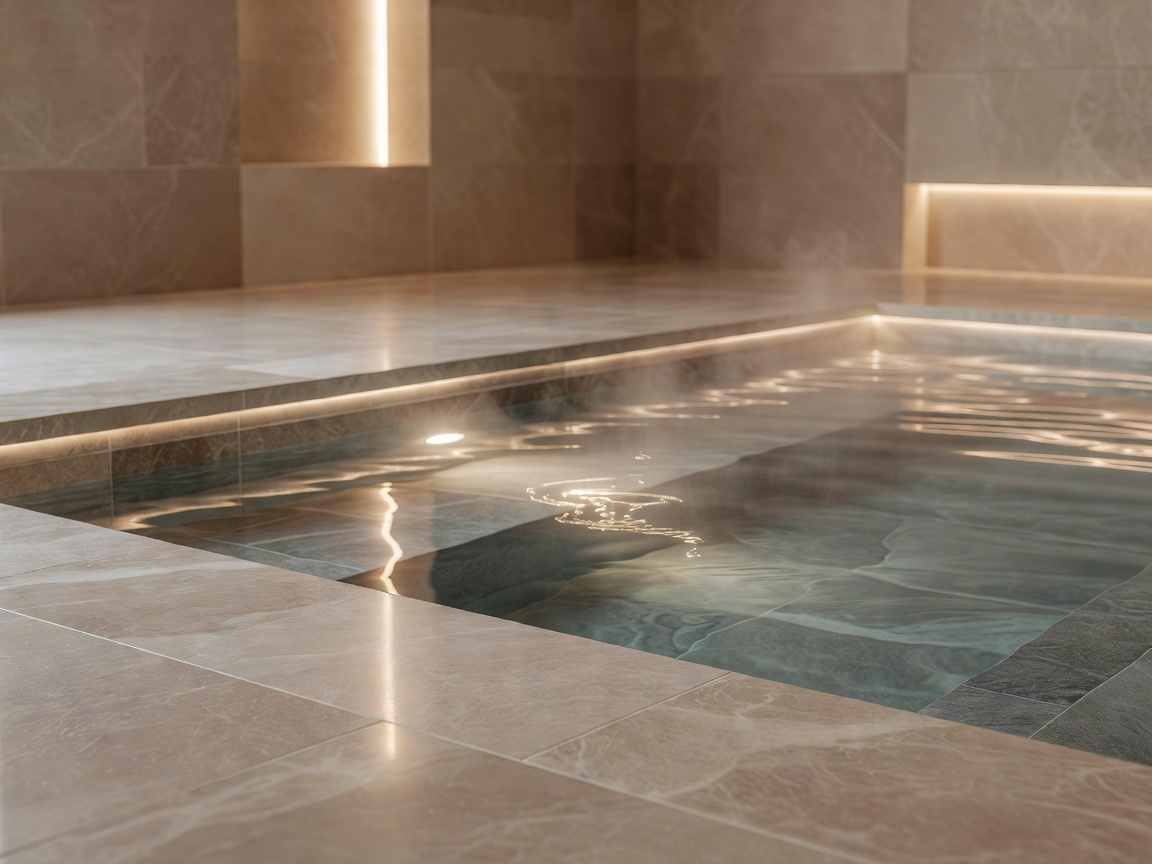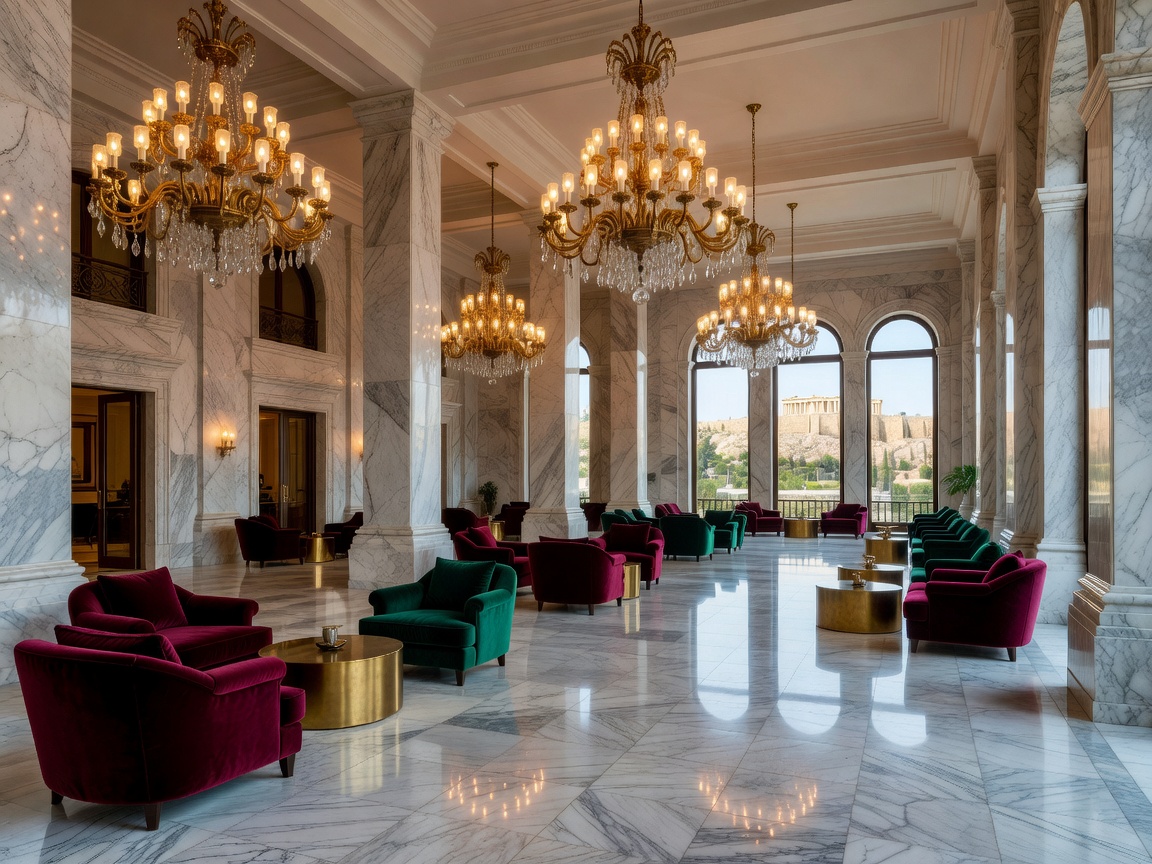
The Dolli is the hotel that changed the conversation about central Athens. Before it opened, the assumption was that serious luxury lived on Syntagma Square and everything beneath the Acropolis was pensions and souvenir shops. Then a neoclassical apartment building on the corner of Dioskouron and Mnisikleous — built in 1925, empty for years — was stripped back, rebuilt and reopened as a 46-key boutique hotel with an art collection, a rooftop pool and a view that borders on unfair.
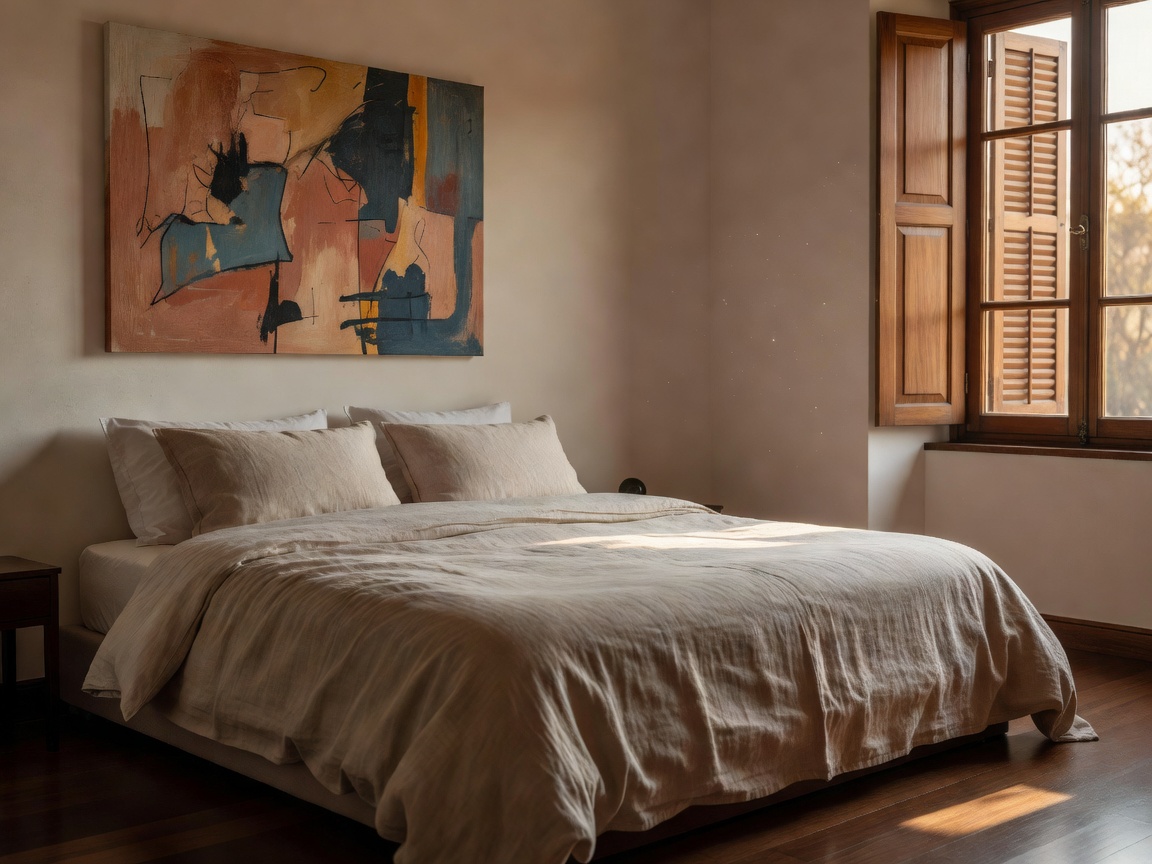
The name comes from Dolly, the nickname of a former resident; the interiors, by the Grecotel design team working with Greek craftspeople, are a study in warm restraint — travertine, brushed brass, walnut, cream boucle, terracotta plaster. Contemporary Greek art hangs in the corridors and in most rooms, and it is real art, catalogued and changed periodically, not hotel decor.
The rooms, apartments and pieds-à-terre
The 46 keys are unusually varied. Classic and Superior rooms occupy the lower floors and face the Plaka lanes; some have small juliet balconies over the pedestrianised street. The Acropolis-view categories start on the third floor and are the reason most guests book: the rock fills the window frame, close enough that you can pick out the scaffolding on the Propylaea.
Then there are the apartments and pieds-à-terre — one- and two-bedroom units with kitchenettes, dining tables and separate entrances, designed for stays of a week or more. These are the smartest booking in the building for families or for anyone working remotely: you get hotel service with the rhythm of a Plaka apartment, and per-night value improves sharply beyond four nights.
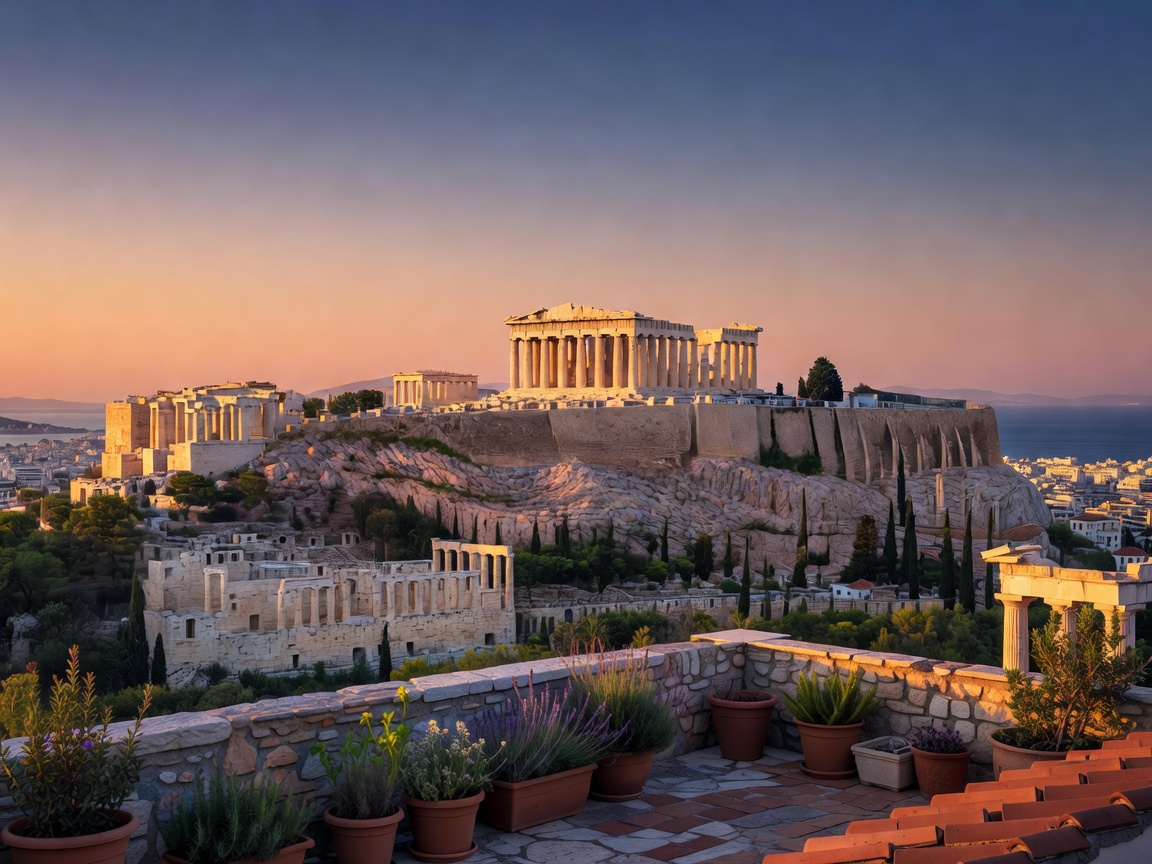
The rooftop
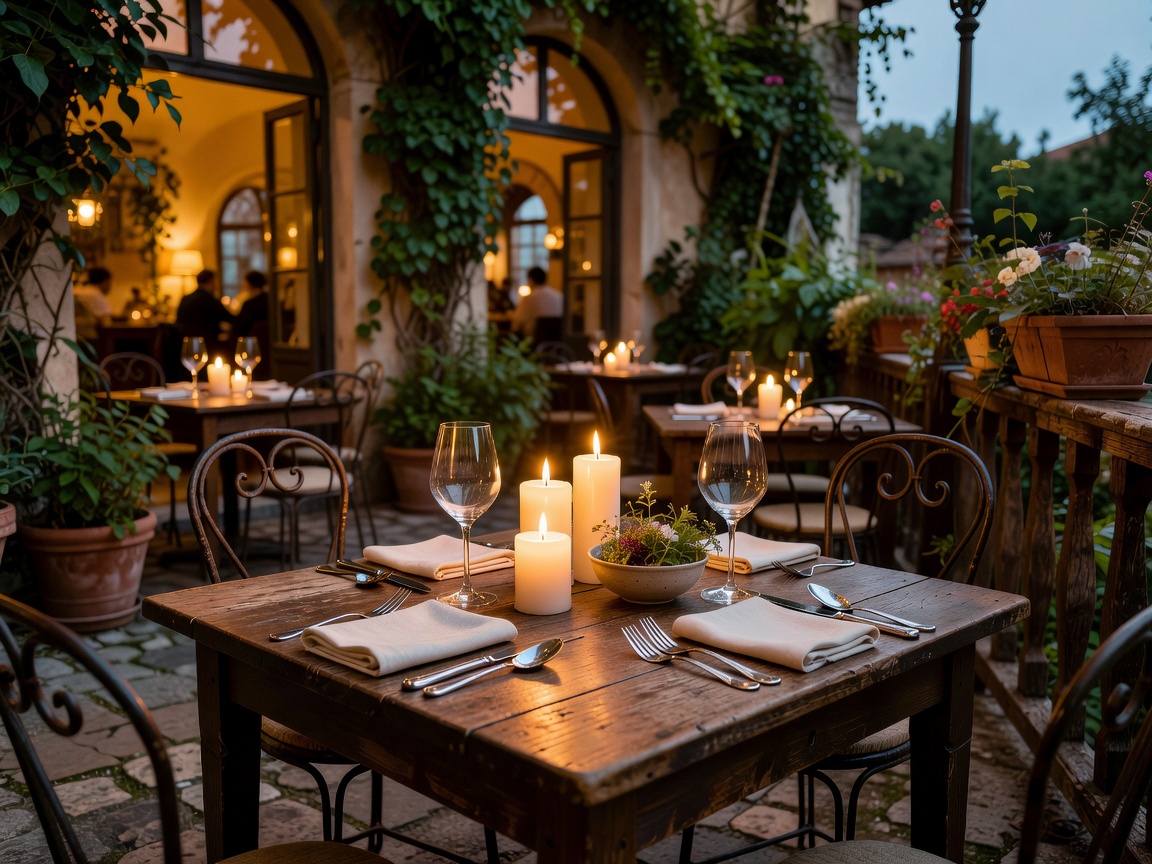
The rooftop is the hotel's argument. A slim pool runs along the terrace edge, with sun beds, a bar and the restaurant occupying the sheltered side. Lunch is light — grilled fish, tomato salads with Santorini capers, cold Assyrtiko. Dinner is more ambitious and books out; non-residents can reserve, so if you are staying elsewhere it is worth a try, though residents get priority for the front tables.
Two practical notes. First, the pool is compact and sun-trapped: between 12:00 and 16:00 in July it is a place to cool off rather than swim lengths. Second, the terrace closes to music by 23:00 in respect of the residential neighbourhood, which is good news for anyone in a top-floor room.
"Four floors below the Acropolis, with breakfast on a terrace that looks the Parthenon in the eye — the Dolli is less a hotel than a very good address."
Service and scale
With 46 keys the service model is personal rather than institutional. There is a concierge, but there is no army; requests are handled by whoever is on the desk, and handled well. Breakfast is à la carte and cooked to order — a significant upgrade on the buffet culture of larger Athens hotels. The flip side of the scale is that facilities are limited: a small gym and a single treatment room rather than a full spa, and no dedicated kids' programme. Families wanting facilities should look at Four Seasons Astir Palace.
Location and logistics
Dioskouron Street sits between the Ancient Agora and the northern slope of the Acropolis. The Agora entrance is 200 metres away; Monastiraki metro (Lines 1 and 3) is a six-minute walk; the Acropolis main entrance is about twelve minutes uphill; the Acropolis Museum around fifteen. Syntagma Square is a ten-minute walk east.
The catch is access: the surrounding lanes are pedestrianised and paved in marble setts. Taxis stop on Adrianou or Areos and you walk the last 60–150 metres, which matters if you travel with heavy luggage. The hotel will meet you and carry bags if you call ahead. The same marble is slippery when wet — useful to know in a February rain shower.
Accessibility
The building is a converted 1925 structure: there is a lift to all floors and to the roof, but the approach involves pedestrian lanes with a gentle gradient and occasional single steps at kerb transitions. One adapted room is available; contact the hotel directly to confirm dimensions before booking if you use a wheelchair.
What we liked
- The rooftop view — the best guest-only Acropolis outlook in Athens
- À la carte breakfast cooked to order
- Genuine contemporary Greek art collection
- Apartments and pieds-à-terre for longer stays
- Personal, unhurried service at 46 keys
Worth knowing
- No full spa and only a small gym
- Rooftop pool is compact and busy at midday in summer
- Last 100 metres on foot over marble setts
- Lower-floor rooms lose the view entirely
- Premium pricing for the category — book early for spring
What it costs
| Category | Approx. size | View | Indicative 2026 rate |
|---|---|---|---|
| Classic Room | 22–26 m² | Plaka lanes | from €520 |
| Superior Acropolis View | 28–32 m² | Acropolis | from €760 |
| Junior Suite | 40 m² | Acropolis, balcony | from €1,050 |
| One-bedroom apartment | 55–65 m² | Mixed; kitchenette | from €1,180 |
| Pied-à-terre (2 bed) | 80 m²+ | Private entrance | from €1,750 |
Room-only shoulder-season indications, before VAT and the climate resilience levy. Breakfast à la carte from approximately €34 per person.