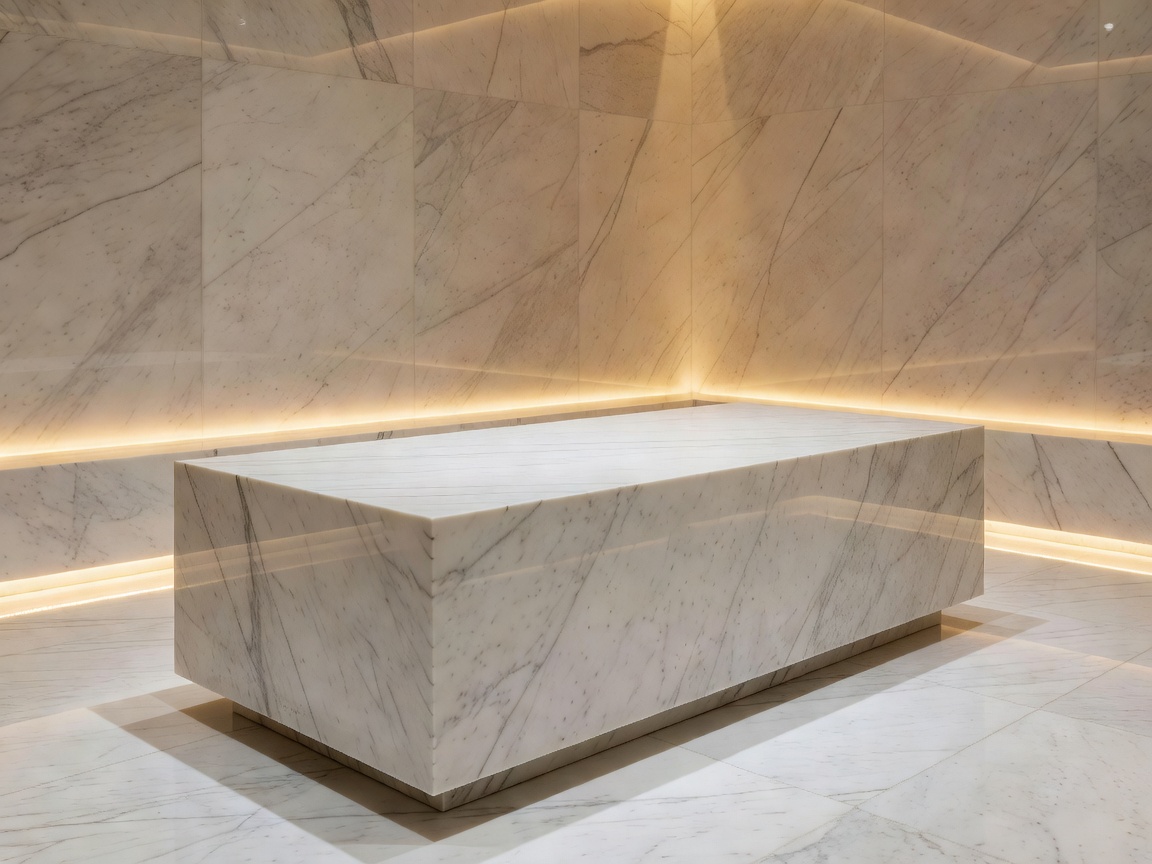
Thalassotherapy is one of those words that resorts apply loosely to anything involving a pool with a sea view. In its proper sense it means treatment using heated seawater, marine mud, algae and sea air, delivered in a facility that draws and filters actual seawater. Greece has a handful of genuine thalassotherapy centres, and the largest of them sits on the Athens Riviera at Divani Apollon Palace & Thalasso.
What a thalasso circuit involves
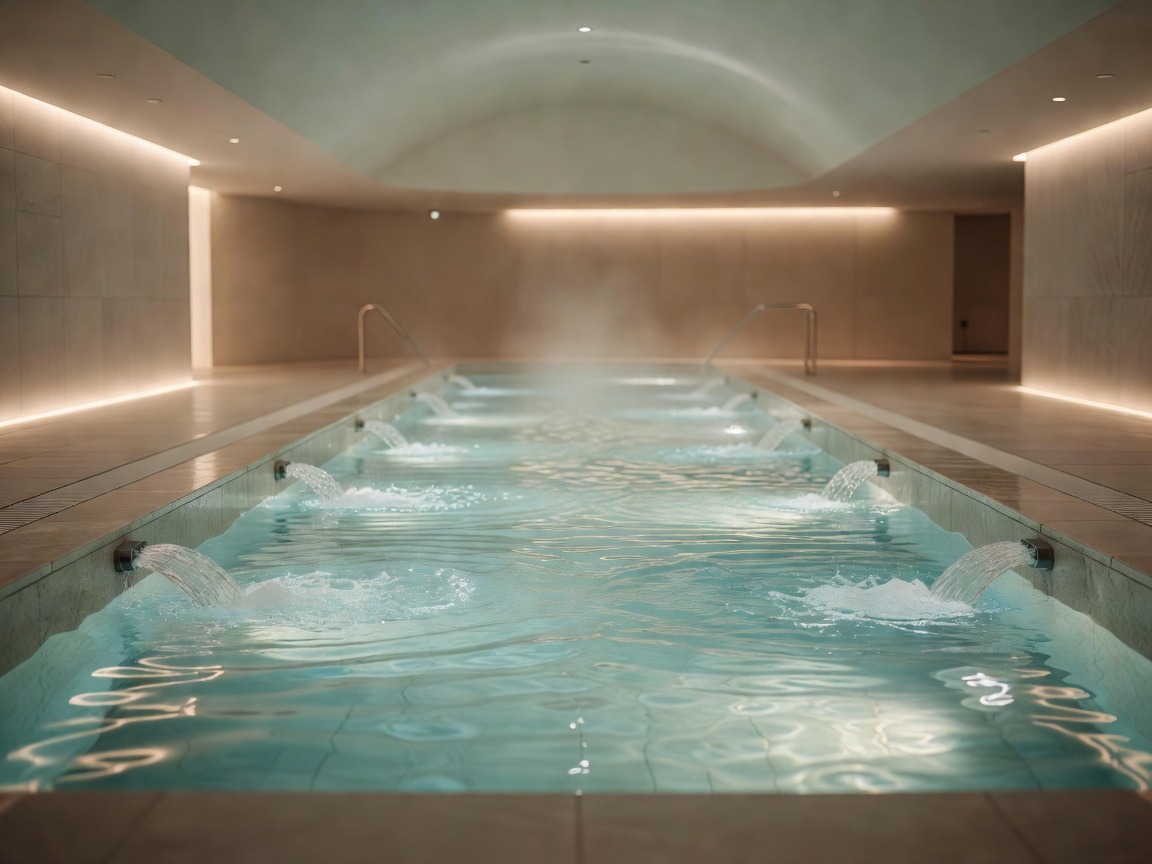
A typical circuit runs 90 to 120 minutes and moves you through a sequence rather than a single treatment. You begin in a large seawater pool heated to around 32–34°C, fitted with underwater jets aimed at the lumbar spine, shoulders and legs, and with a counter-current lane for resistance walking. From there you move through hydro-massage beds, a steam room scented with eucalyptus, a sauna, and cold plunge or affusion showers.
Optional additions include algae body wraps (cold and bracing, which surprises most first-timers), marine mud applications for joints, and Vichy shower massage, in which warm seawater falls from overhead rails while a therapist works. Multi-day programmes — typically three, five or seven days — add a consultation and a structured progression. These are the format in which thalassotherapy actually delivers on its claims, and they are priced accordingly.
The city spas
Central Athens hotels cannot draw seawater, so their spas take a different route: marble, heat and botanicals. The Grande Bretagne's GB Spa occupies a subterranean floor with an indoor pool, a thermal suite with sauna, steam and an ice fountain, and a treatment list built around Greek ingredients — mastic resin from Chios, Kalamata olive oil, thyme honey, Cretan herbs. The effect is closer to a Roman bath than a seaside clinic, and after a day of walking over Attic marble it is precisely the right thing.
At the King George, the model is different again: no large spa floor, but a treatment suite and an in-room therapy service. Small hotels increasingly go this way, and for many travellers a 75-minute massage in your own suite beats a trek to a basement.
The Dolli keeps things deliberately minimal — a single treatment room and a compact gym. Its wellness proposition is the rooftop pool and the view, not a thermal circuit.
"The Athenian instinct is that water should be either very hot or straight from the sea. The city's spas have simply industrialised that preference."
The coastal spas compared
| Facility | Type | Scale | Best for | Indicative price |
|---|---|---|---|---|
| Divani Apollon Thalasso Centre | Seawater thalassotherapy | Very large | Multi-day programmes, joint pain | Circuit from €60; 5-day programmes from €650 |
| Four Seasons Astir Palace Spa | Contemporary spa, sea outlook | Large | Massage, couples treatments, fitness | 60-min treatments from €180 |
| GB Spa, Grande Bretagne | Urban thermal + indoor pool | Medium-large | Post-sightseeing recovery | 60-min treatments from €160 |
| King George treatment suite | In-suite and private therapy | Small | Privacy, in-room service | 60-min treatments from €170 |
Prices verified December 2025 and subject to seasonal change; day-guest access policies vary and are usually suspended in peak summer weeks.
Lake Vouliagmeni: the free-ish alternative
Five minutes from both coastal hotels, Lake Vouliagmeni is a geothermal brackish lake at the base of a limestone cliff, fed by underground springs. The water sits between roughly 22°C and 29°C all year and carries minerals long associated with skin and rheumatic complaints. Entry is a fraction of a spa circuit, there are loungers and a restaurant, and it is open through winter. Whether the therapeutic claims hold up is a matter for your own physician; the swim itself is superb.
Practical advice
- Book before you arrive. Weekend slots at the Vouliagmeni thalasso centre fill with Athenian day guests, not hotel residents.
- Ask what your rate includes. Many room rates include circuit access on one day; this is rarely advertised prominently.
- Allow recovery time. A full thalasso circuit is physically demanding. Do not schedule it on the morning of a flight.
- Hydrate and skip the alcohol. Standard advice, ignored by everybody, and the reason most people feel flat afterwards.
- Check medical contraindications. Thalassotherapy is not advised during certain cardiac, thyroid or pregnancy conditions. Reputable centres screen at booking; declare honestly.