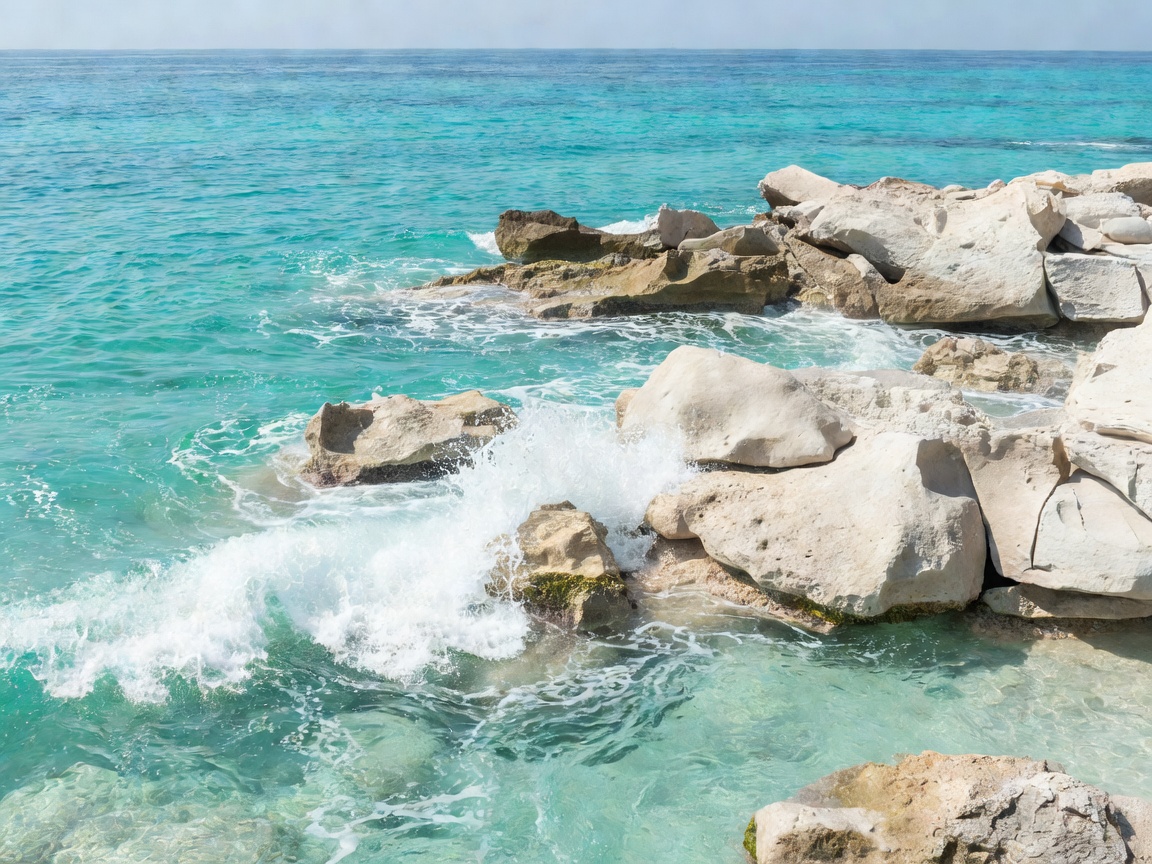
Athenians call it the Apollo Coast, and the name is older than the tourism board that adopted it. The road that runs south from the city — Poseidonos Avenue, then Athinon–Souniou — passes marinas, war memorials, apartment blocks, pine cliffs and finally the empty headland where the Temple of Poseidon has stood since the fifth century BC. The whole stretch is about sixty kilometres. You can drive it in seventy minutes on a February morning and two and a half hours on an August Friday.
Most visitors experience one bay of it and assume the rest is the same. It is not. This guide walks the coast from north to south so you can match the right stretch to the right trip.
1. Faliro and Kallithea — the city's edge
The Riviera begins where the city meets the water at Faliro Bay. This is not beach territory: it is marinas, the Stavros Niarchos Foundation Cultural Center with its Renzo Piano roof and free public park, and the tram terminus. Come for the SNFCC's evening programme, the running track along the esplanade and the views of the Piraeus roads crowded with ferries. Do not come to swim.
2. Alimos and Palaio Faliro — the tram belt
Organised municipal beaches begin here, served directly by the Athens tram. Alimos beach is sandy, well-equipped and inexpensive, which makes it the choice for Athenians without cars. It is busy, cheerful and not remotely exclusive. The marina at Alimos is the largest in Greece and the departure point for most yacht charters.
3. Glyfada — the shopping and dining hub
Glyfada is the Riviera's downtown. Its grid of streets behind the coast road holds the coast's best concentration of shops, cafés, bakeries and restaurants, and its beach clubs set the tone for the whole coast in summer. If you are staying in Vouliagmeni and want an evening out that is not a hotel dining room, Glyfada is the ten-minute taxi ride to make. The golf course — the Glyfada Golf Club, the only 18-hole course in Attica — sits beneath the airport flight path, which is more charming than it sounds.
4. Voula — residential, unhurried
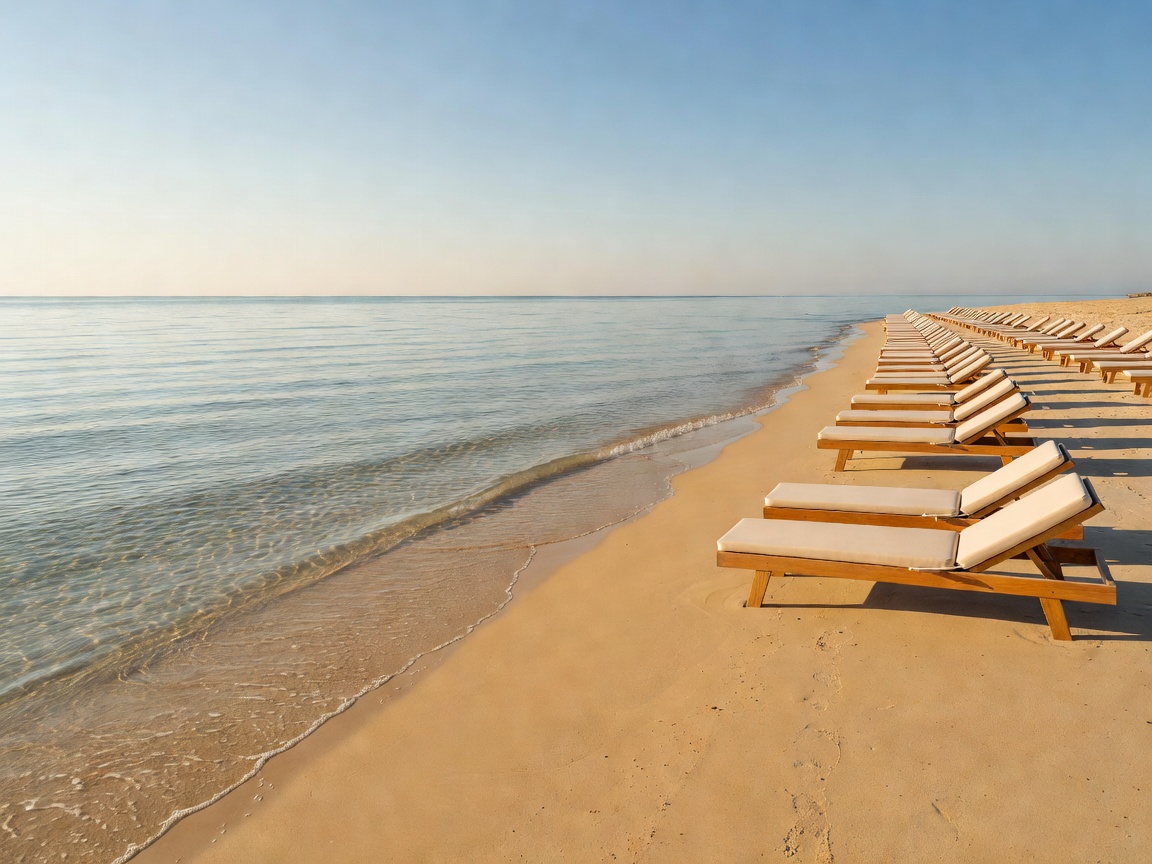
Voula is where the coast starts to feel suburban in the best sense: low apartment blocks, tavernas that serve Athenians rather than tourists, and two organised beaches with good facilities. It is a useful base if you want coastal life at non-resort prices, and the tram reaches its southern end.
5. Vouliagmeni — the luxury bay
This is the heart of the Riviera and the address for both of our coastal hotels. A pine-covered peninsula shelters two bays; the water is startlingly clear; the village has a small marina, a church square and a handful of fish tavernas that have been in the same families for decades.
Four Seasons Astir Palace occupies the peninsula itself — thirty hectares, three beaches, gates and guards. Divani Apollon Palace & Thalasso sits on the seafront a short distance north with its own sandy beach across a footbridge and a very large thalassotherapy centre.
A five-minute drive from either brings you to Lake Vouliagmeni, a geothermal brackish lake at the foot of a limestone cliff. The water holds around 22–29°C year-round, is mildly mineral, and hosts the small Garra rufa fish that nibble at your feet. It is open all year, has loungers and a restaurant, and is one of the genuinely unusual things to do in Attica in winter.
"At Vouliagmeni the sea is so clear that you can see your shadow on the seabed at four metres. That is twenty-five kilometres from Syntagma Square."
6. Varkiza and Lagonissi — the long beaches
South of Vouliagmeni the coast opens out. Varkiza has a long sandy beach with a large organised section and windsurfing when the meltemi blows. Lagonissi, further on, is quieter still, with rocky coves and a string of seasonal restaurants. The road here becomes genuinely scenic, hugging the cliffs with the Saronic islands strung out to the west.
7. Anavyssos and Legrena — the last villages
Anavyssos is a working town with a salt lake, a fish market and beaches that fill with Athenian families on Sundays. Legrena is the last settlement before the cape, with a small port for boats to Kea. Both offer the coast's best value for lunch: expect to pay a third of Vouliagmeni prices for equally good grilled fish.
8. Cape Sounion — the sunset
The Temple of Poseidon stands on the headland at the tip of Attica, built around 444 BC from local marble. It is the single best sunset in the region and, consequently, busy: tour coaches arrive from Athens about ninety minutes before sundown. Arrive two hours early, walk the site while the light is still high, then find a position on the western terrace. Lord Byron carved his name into one of the columns in 1810 — a piece of vandalism that is now itself protected.
From Vouliagmeni the drive is about 50 minutes; from Syntagma, 75–90 minutes. Check the archaeological site's seasonal closing time before you set out, as it varies by month and the gate closes firmly.
Getting around: the honest timings
| Route | Distance | Car (off-peak) | Car (peak) | Public transport |
|---|---|---|---|---|
| Syntagma → Glyfada | 17 km | 25 min | 45 min | Tram, ~55 min |
| Syntagma → Vouliagmeni | 22–25 km | 30 min | 45–55 min | Tram + bus, ~75 min |
| Airport → Vouliagmeni | 28–30 km | 35 min | 50 min | Bus X96, ~60 min |
| Vouliagmeni → Sounion | 35 km | 50 min | 65 min | KTEL coastal bus |
| Vouliagmeni → Piraeus port | 20 km | 30 min | 50 min | Bus + metro, ~70 min |
When to go
The sea reaches comfortable swimming temperature in late May and stays there until the second half of October. July and August bring the meltemi, which cools the air and roughens the water on exposed beaches — Vouliagmeni's sheltered bays are less affected than Varkiza. September is the connoisseur's month: warm sea, thinner crowds, lower rates. Winter on the coast is mild, green and almost empty; the thalassotherapy centre and Lake Vouliagmeni are the reasons to come.
Where to stay on the coast
- Families and long stays: Four Seasons Astir Palace — three beaches, kids' club, eight dining venues.
- Wellness and value: Divani Apollon Palace & Thalasso — private sand, two pools, seawater spa.
- City-first travellers: stay central at Grande Bretagne or King George and take a day on the coast.